
Case Study: SubC Technology Enables 36 Antarctic Deployments Capturing Research & Conservation Data
SubC Technology Enables 36 Antarctic Deployments Capturing Research & Conservation Data
SubC Imaging technology enabled KOLOSSAL and the Marine Institute’s Centre for Fisheries Ecosystems Research (CFER) to conduct repeatable deep-sea surveys from an Antarctic tourism vessel, collect 62 hours of footage, and capture the first published video evidence of anchor and chain damage to Antarctic seafloor habitats.
KOLOSSAL and the Fisheries & Marine Institute of Memorial University’s CFER used SubC Imaging’s Drop Camera System aboard the MV Ocean Endeavour to survey deep Antarctic waters without chartering a dedicated research vessel.
Combining Rayfin 4K cameras, Aquorea lights, deployment hardware, and a live topside feed with DVR+, the compact system enabled researchers to complete 36 deployments at 36 locations across the Antarctic Peninsula and South Georgia Island. The footage documented marine life and benthic habitats, supported two peer-reviewed publications, and provided the first published video observations of anchor and chain damage to the Antarctic seafloor.
The Mission
KOLOSSAL and MUN/MI set out to capture the first footage of the colossal squid in its natural habitat while building a broader visual record of Antarctic marine life and benthic habitats.
The team needed a practical way to conduct repeated deep-sea surveys within the schedule and physical constraints of an existing tourism voyage.
The Challenges
The system needed to be compact, repeatable, and capable of capturing clear underwater imagery in remote Antarctic conditions.
No Research Vessel Access
The nonprofit-led program did not have access to a dedicated research vessel. Instead, the imaging system had to operate aboard the MV Ocean Endeavour alongside regular tourism activities.
Operating Conditions
The team worked within an approximately 3m x 3m area and deployed equipment through the vessel’s pilot door. Survey locations and deployment windows were influenced by weather, vessel operations, guest activities, and the existing itinerary.
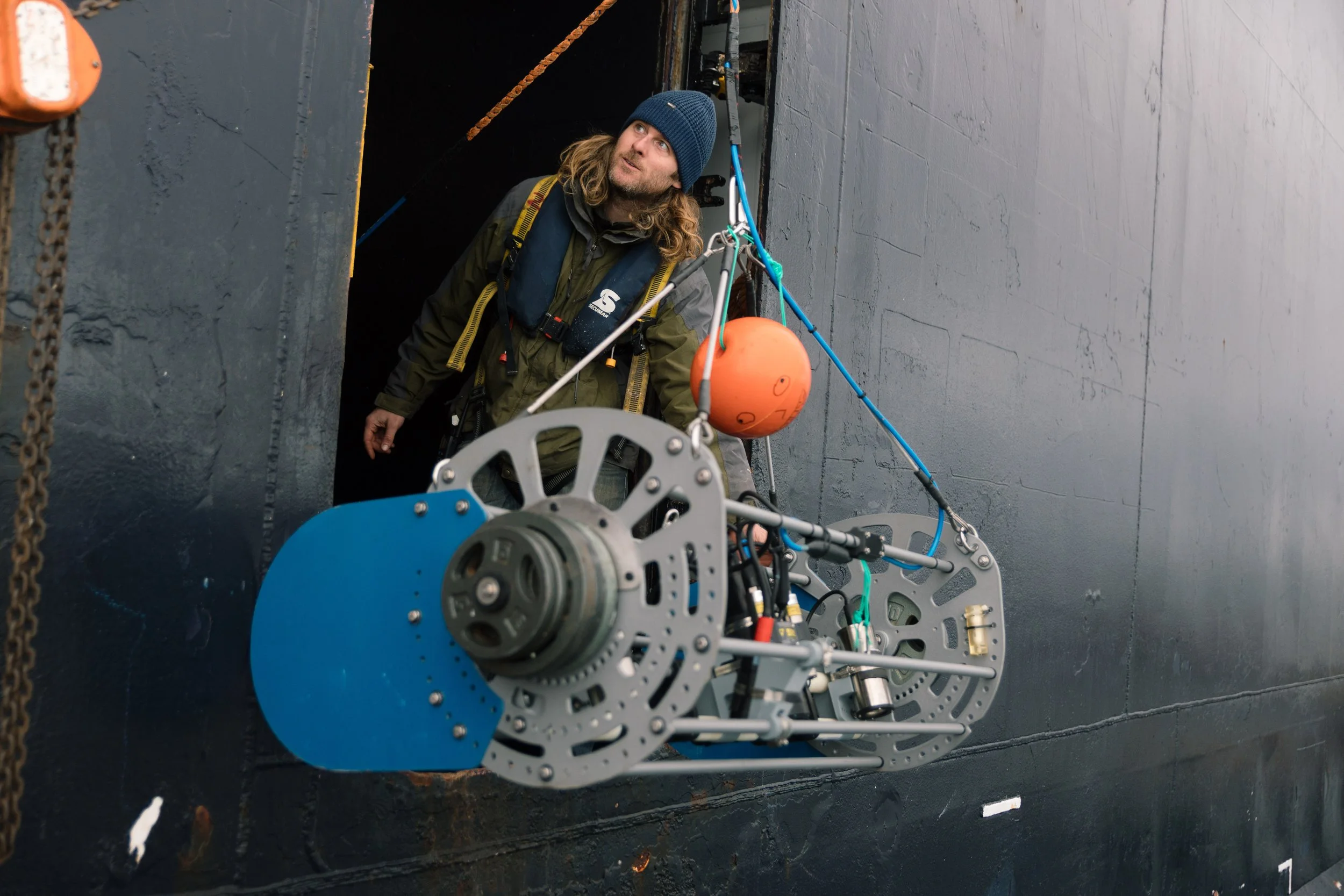
Project KOLOSSAL Team Leader, Matthew Mulrennan, deploying SubC’s custom-built camera system from the tourism vessel’s pilot door.
The Solution
SubC Imaging designed and supplied a custom Drop Camera System integrating Rayfin camera technology, Aquorea lights, deployment hardware, and a live topside feed with DVR+.
The system enabled the team to:
Deploy and recover the camera through the vessel’s pilot door
Record imagery throughout the water column and near the seafloor
Monitor each deployment using live video
Review observations aboard the vessel
Prepare the equipment for repeated surveys at new locations
Custon Built Camera System
Together, the camera, lighting, deployment hardware, and live viewing capabilities gave the team a repeatable way to collect deep-sea imagery from a vessel that was not designed as a dedicated research platform.
The Results
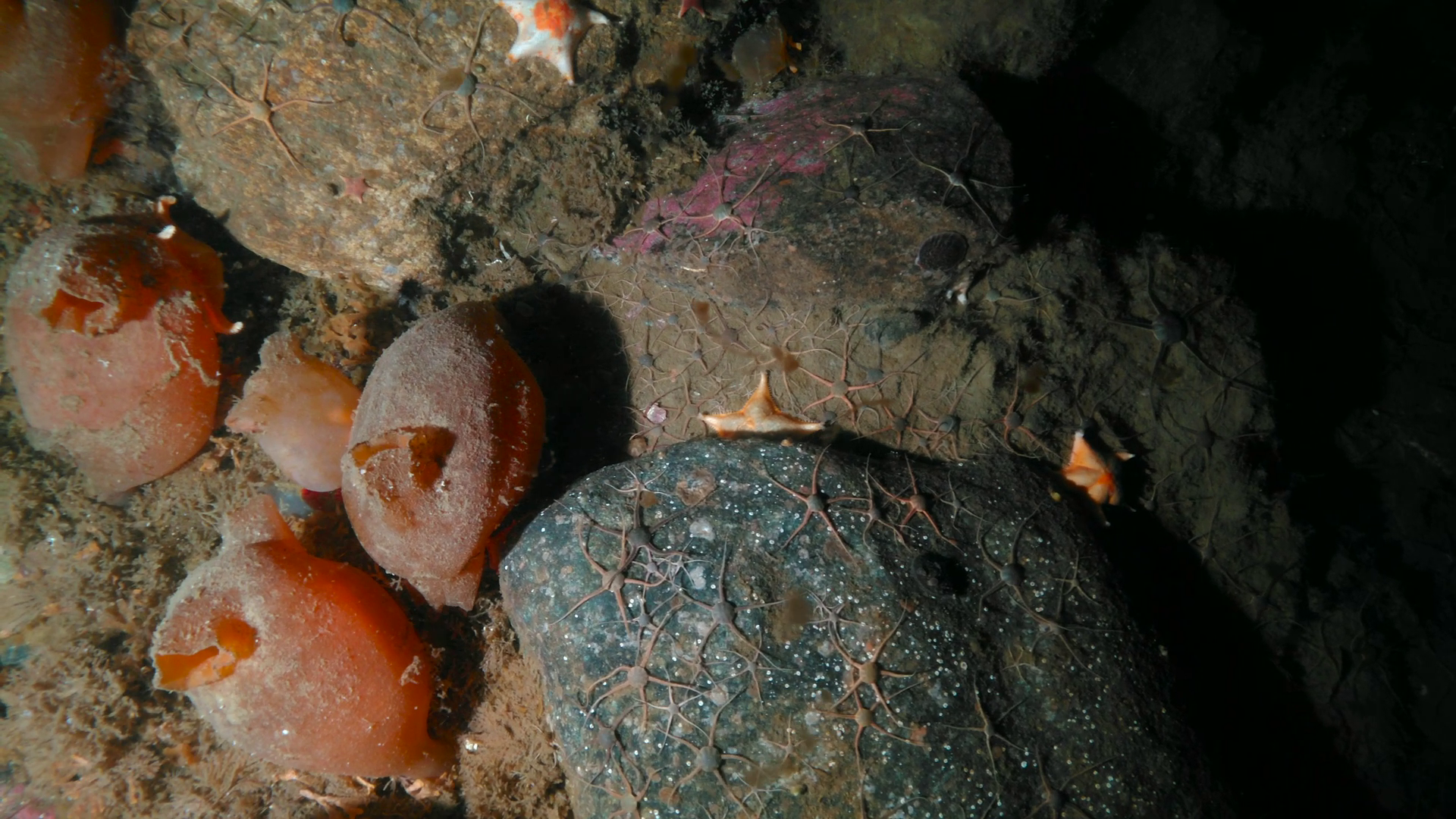
Across four expeditions and 58 days at sea, the team completed 36 camera deployments at 36 survey locations and collected 62 hours of underwater footage. The Rayfin cameras documented Antarctic sun stars, crinoids, sea spiders, dragonfish, Antarctic scallops, giant volcano sponges, and other benthic organisms.
The footage may also include the first recorded images of a juvenile colossal squid, a member of the glass squid family. The animal was too far from the camera for a definitive identification, so the sighting remains unconfirmed.
A 2024 paper in PLOS Climate examined the use of tourism vessels as research platforms. The authors reported that donated vessel berths and camera equipment helped reduce estimated project expenses to approximately one-fiftieth of an independent research cruise. The project demonstrated how collaboration among tourism, technology, academic, and nonprofit partners could expand access to Antarctic research.
One of the most significant results came from Yankee Harbour
Rayfin imagery captured:
Grooves and striations consistent with anchor-chain movement
Displaced and deposited sediment
Crushed and smothered sponge colonies
Reduced benthic biomass within disturbed areas
Undisturbed marine communities adjacent to the damage
Researchers used the imagery alongside field observations and vessel-tracking data to investigate the likely cause of the disturbance. The results were published in Frontiers in Conservation Science in 2025 as the first published video observations of anchor and chain damage to Antarctic seafloor habitats.
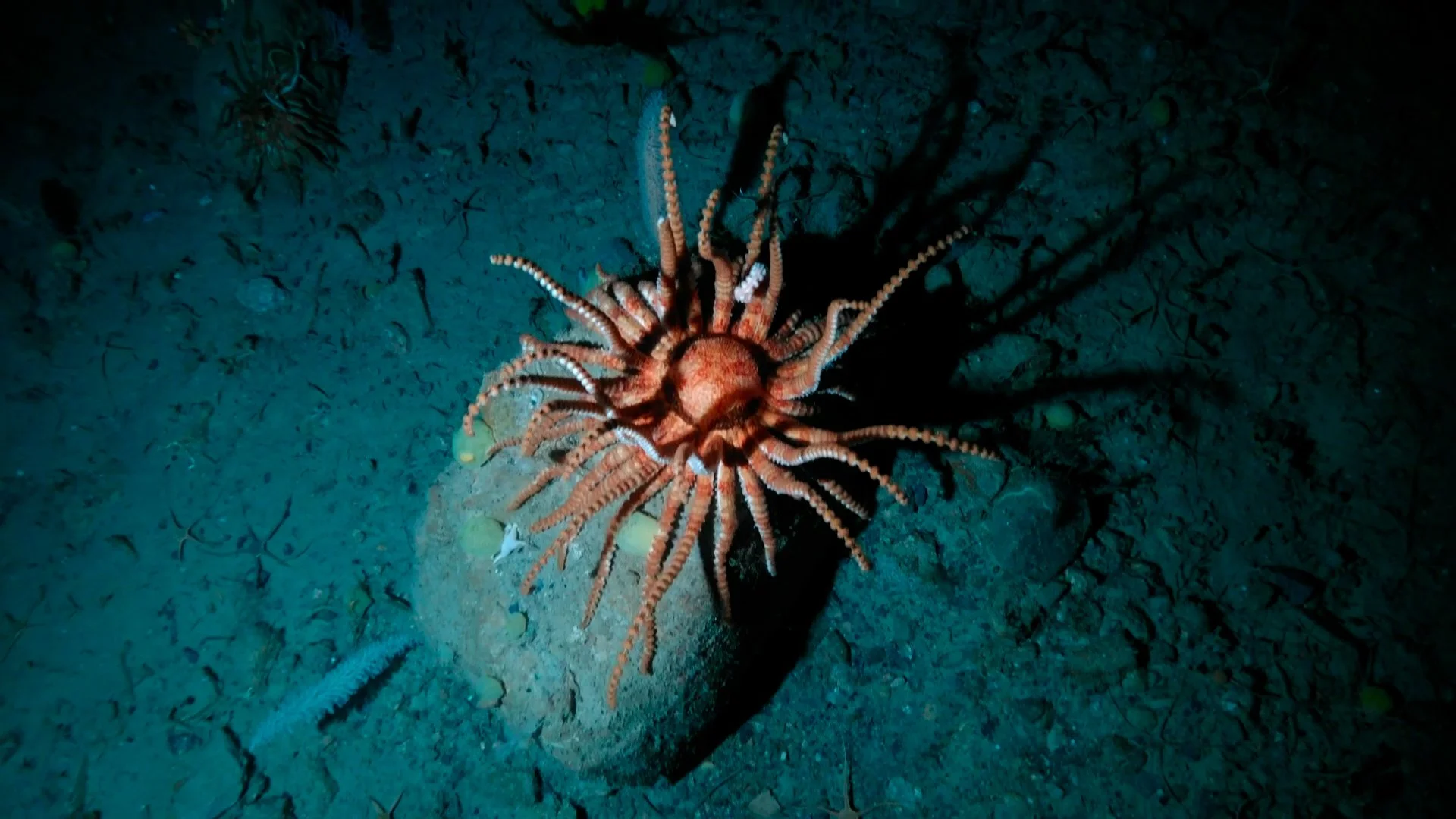
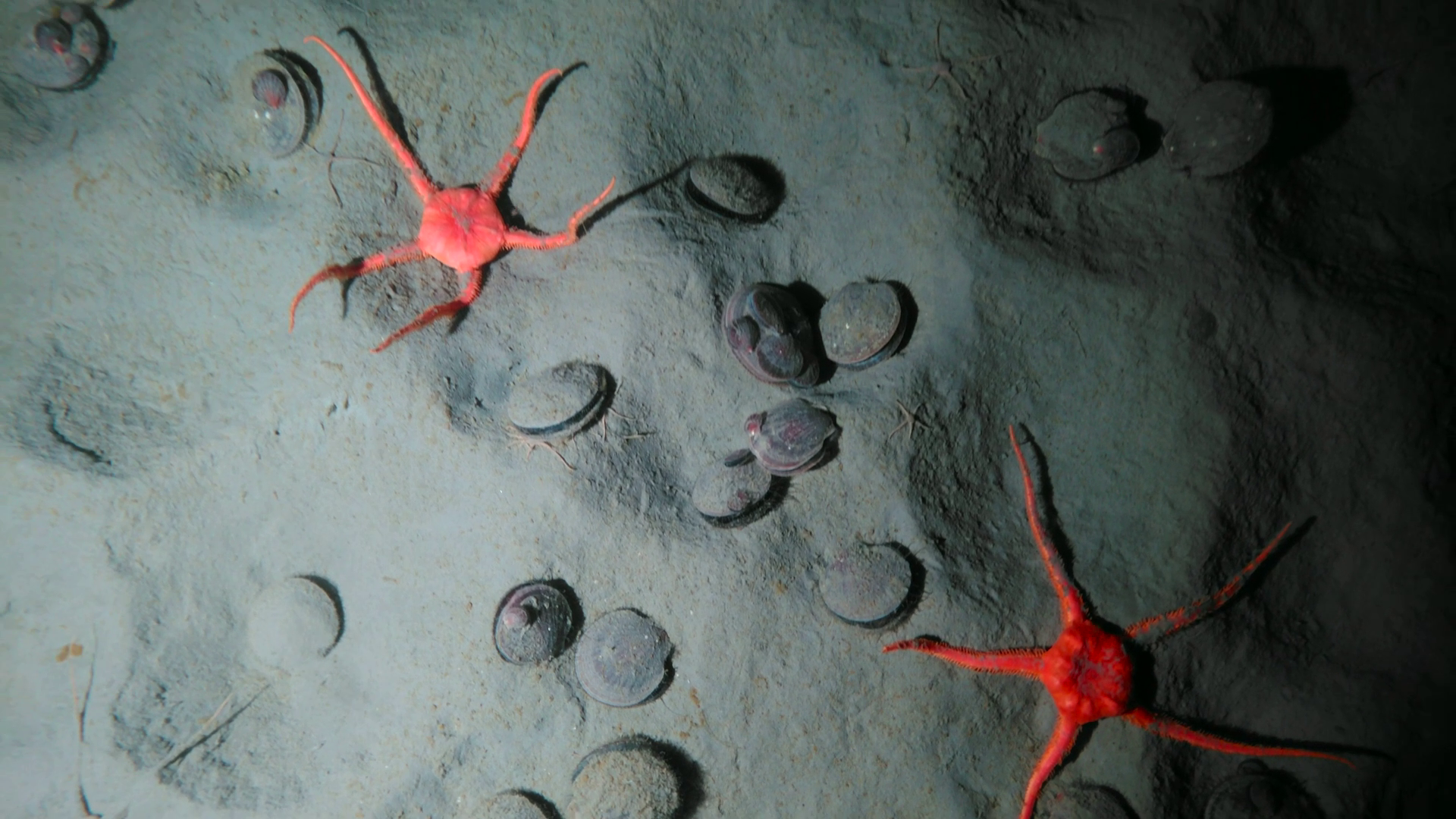
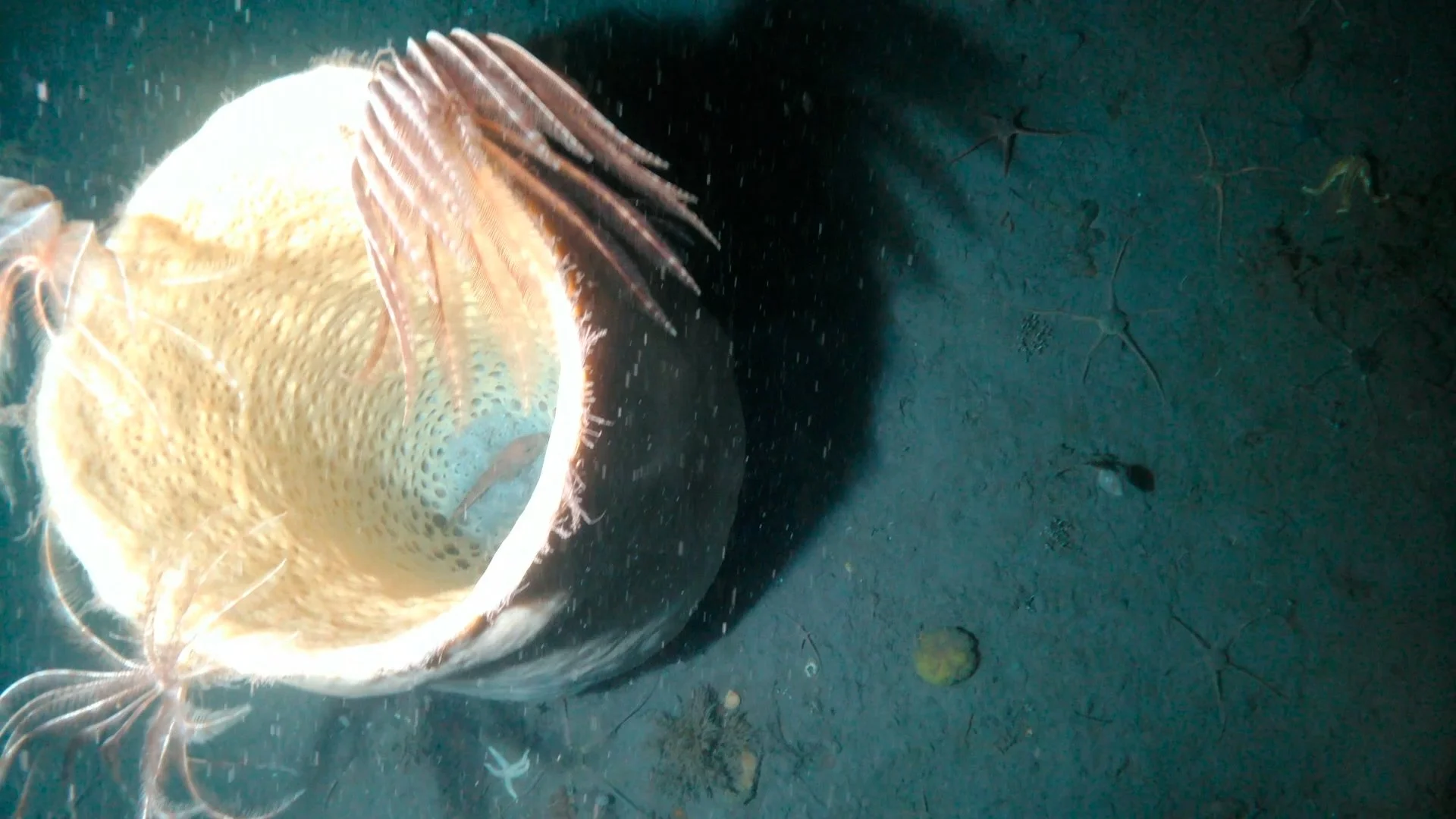
SubC Imaging’s custom Drop Camera System gave our team the image, quality, reliability, and flexibility we needed to conduct multiple sea floor surveys in challenging Antarctic conditions. The Rayfin enabled us to collect 62 hours of 4K footage creating valuable evidence for scientific research and Antarctic conservation.
Matthew Mulrennan
Team Lead, Project KOLOSSAL
Conclusion
By transforming a limited working area aboard an Antarctic tourism vessel into a repeatable deep-sea survey platform, SubC Imaging’s integrated Drop Camera System enabled KOLOSSAL and the Marine Institute’s CFER to successfully document rare marine habitats and capture landmark evidence of seafloor damage. The footage and operational experience contributed to two peer-reviewed publications.
The project demonstrates how integrated imaging, lighting, and live viewing technologies empower research teams to collect high-value scientific data without relying on a dedicated research vessel.
Planning a seafloor survey project?
Learn more about SubC Imaging's Drop & Tow Camera Systems for seafloor data collection.
Related Case Studies & Resources
Into the Deep with SubC: The Tech Behind the Hunt for the Colossal Squid
Explore the underwater imaging technology used during the search for the colossal squid in Antarctic waters.
First-Ever Footage of Antarctic Anchor Damage Captured with SubC Imaging Camera
SubC camera footage documented anchor damage to Antarctic seafloor habitats, providing visual evidence for conservation research.
SubC Imaging Contributes to Antarctic Marine Research
Learn how SubC Imaging technology supported underwater observation and marine research in Antarctica.
References
M. Mulrennan, M. Graham, J. Herbig, and S. J. Watson, “Anchor and chain damage to seafloor habitats in Antarctica: First observations,” Frontiers in Conservation Science, vol. 6, 2025, Art. no. 1500652, doi: 10.3389/fcosc.2025.1500652
https://doi.org/10.3389/fcosc.2025.1500652
M. Graham et al., “New methods of undertaking marine science in Antarctica using tourism vessels,” PLOS Climate, vol. 3, no. 2, e0000348, 2024, doi: 10.1371/journal.pclm.0000348.
