
Case Study: SubC Technology Reveals a Rare Coral Garden in Funk Island Deep
SubC Technology Reveals a Rare Coral Garden in Funk Island Deep
After acoustic mapping flagged an unusual site, Marine Institute researchers used a Rayfin Benthic camera in their BathyCam drop system to document a dense soft coral habitat and identify a site for further surveys.
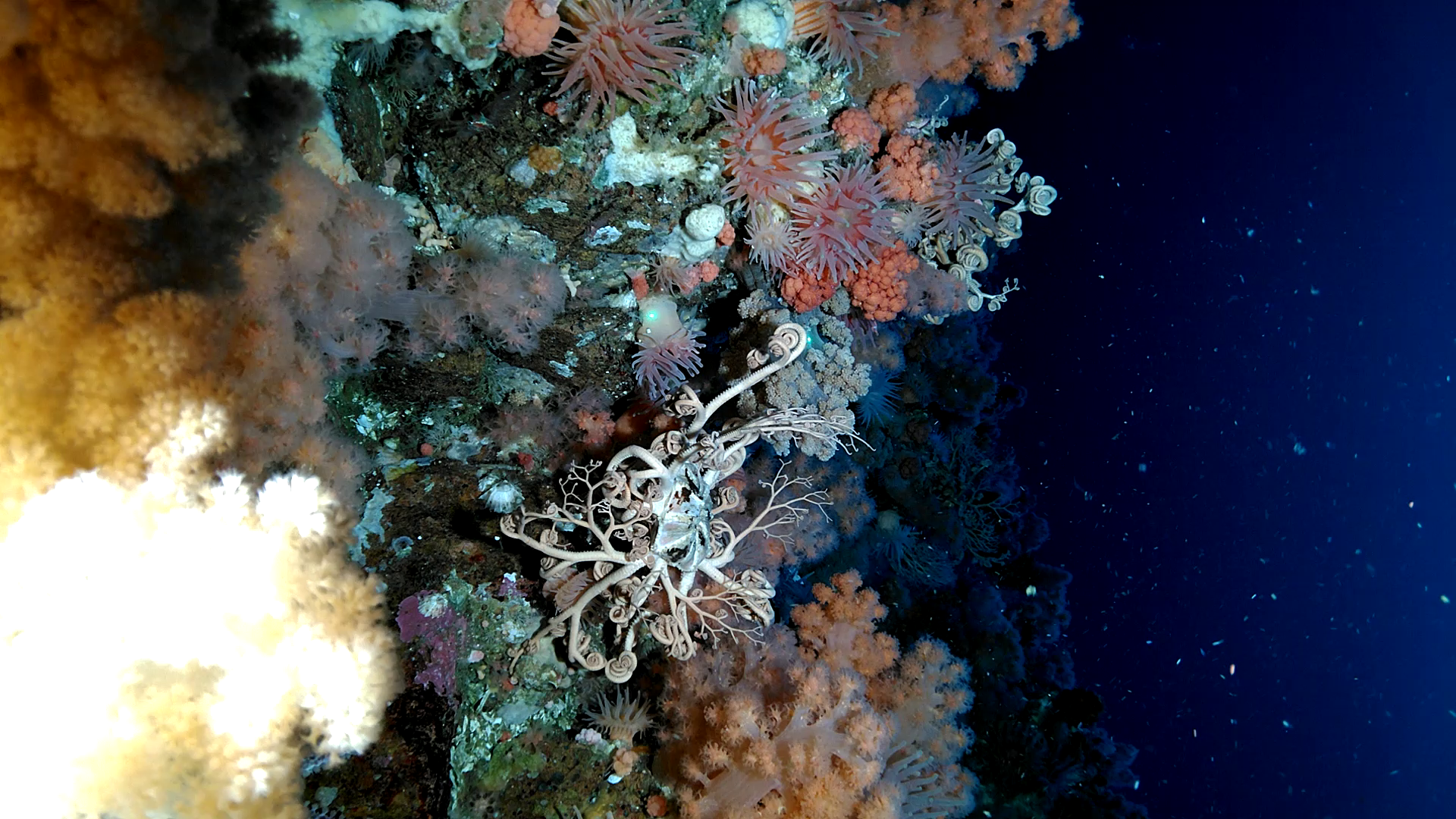
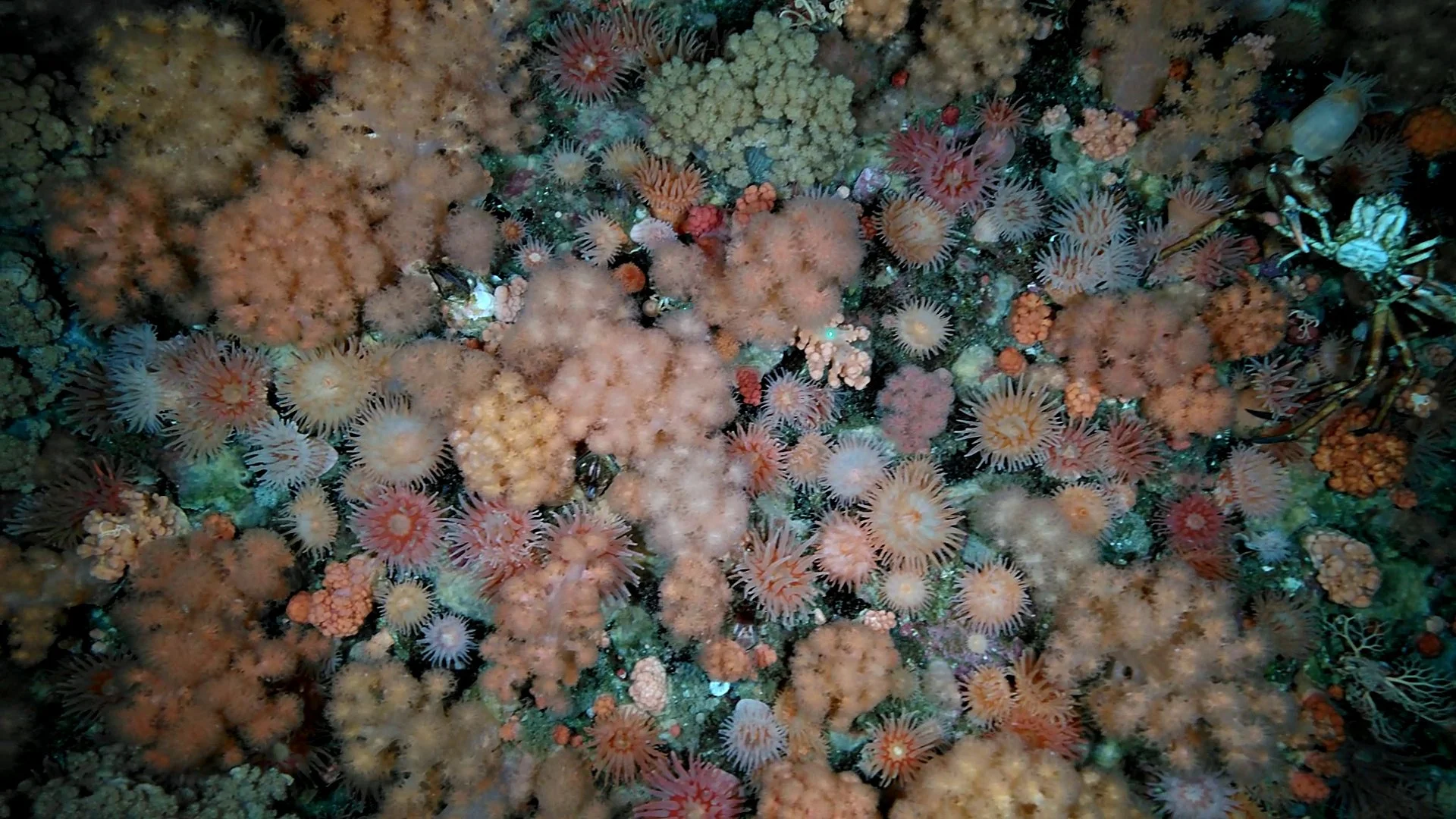
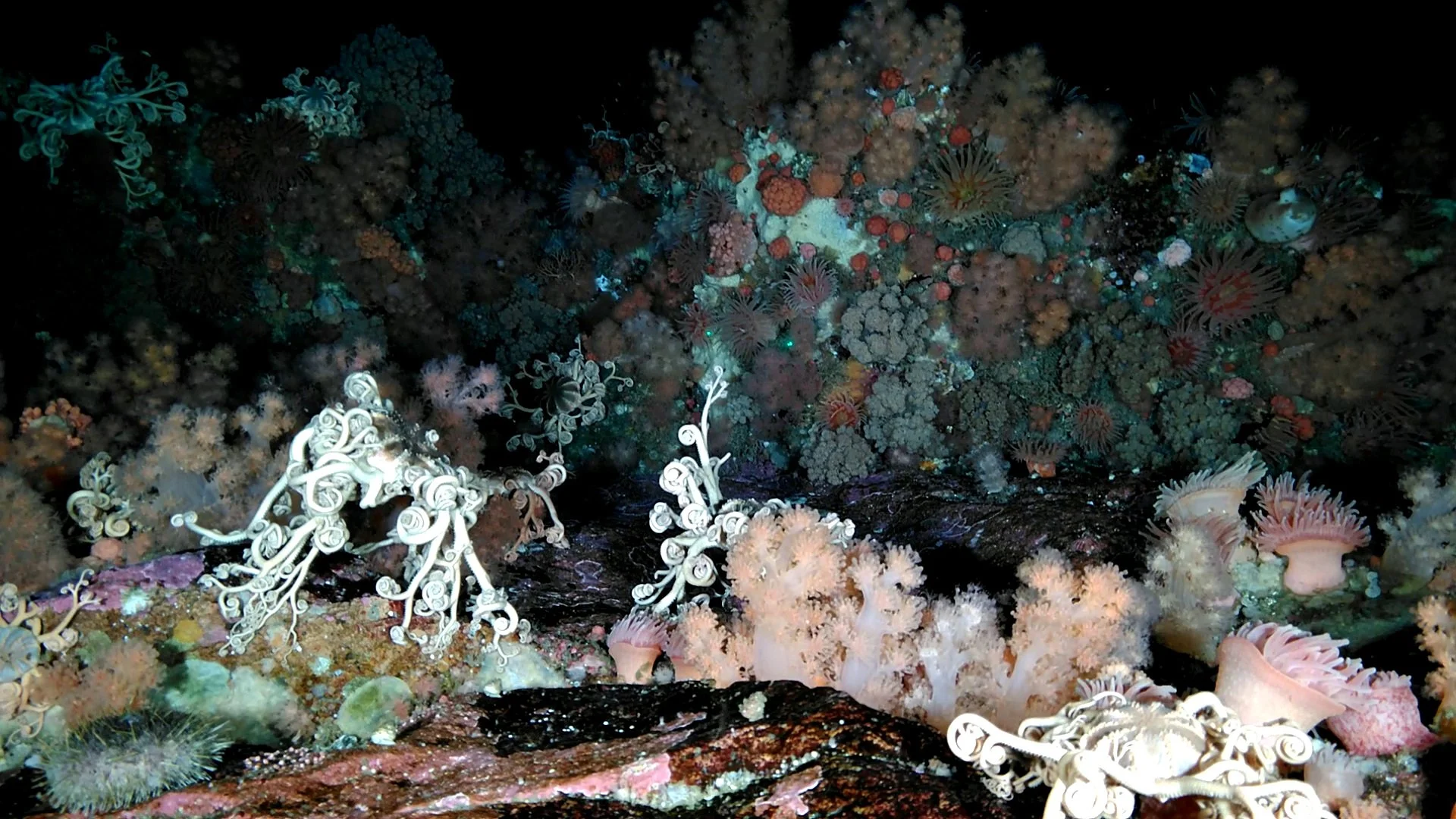
In June 2024, a Marine Institute team investigated a site in the Funk Island Deep marine refuge that was identified by an acoustic survey. Video from a SubC Rayfin Benthic camera integrated into their BathyCam drop system revealed a dense soft coral garden. Researchers initially estimated the habitat at about 10,000 square metres.
The Mission
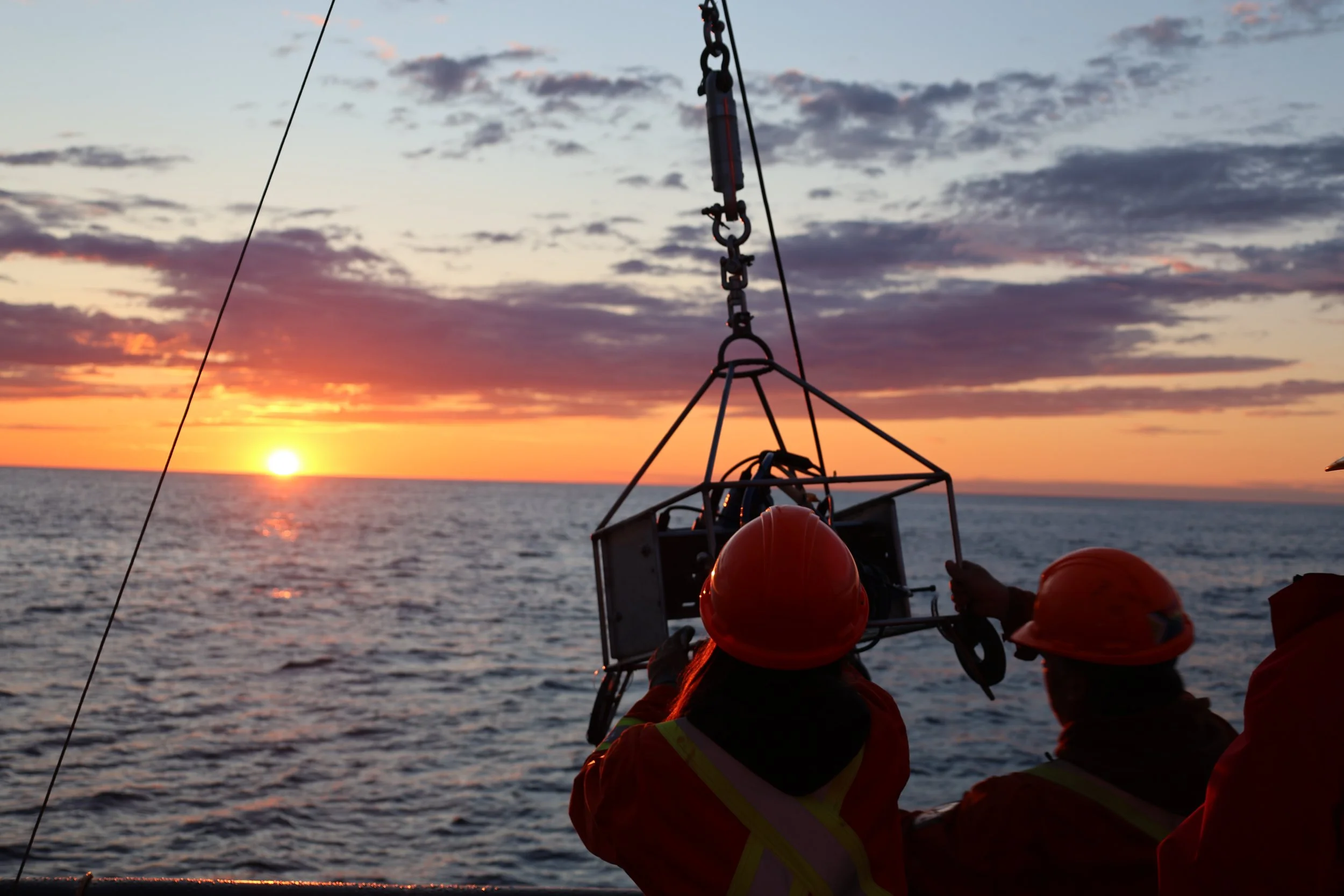
The Marine Conservation Areas project, led by Dr. Jonathan Fisher with Fisheries and Oceans Canada, monitored species and habitats in marine refuges. PhD candidate Emmeline Broad deployed their BathyCam drop camera system to identify marine life on the mapped site.
The Challenges
Martin Dahl and Robyn Whelan spotted the site in 2023 acoustic data, but the images could not show which organisms lived there or how densely they occurred. The team needed seafloor video to investigate it during an upcoming expedition aboard the MV Polar Prince in June of 2024.
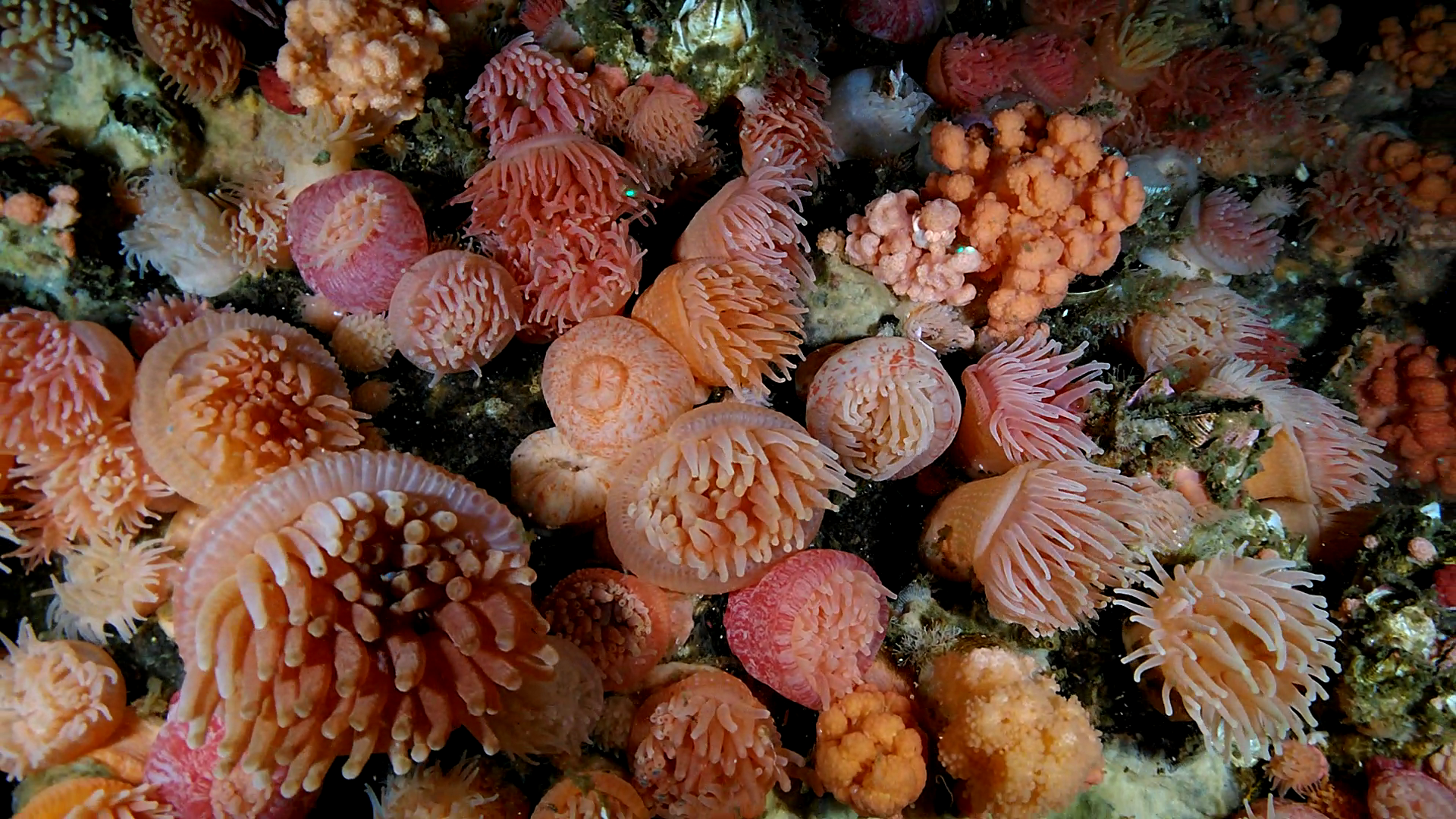
“Corals as far as the eye can see” - Dr. Bárbara Neves
The Solution
Broad’s drop camera system integrated SubC’s Rayfin Benthic, which captured the footage needed to inspect the targeted site and identify visible marine life. The acoustic survey showed where to investigate, while the camera supplied the biological evidence that the map alone could not provide.
Evidence of Performance
At depths of less than 200 metres, the Rayfin recorded clear footage of dense soft corals, sponges, basket stars, and anemones on a complex rocky seabed. Researchers made an early estimate that the coral garden covered approximately 10,000 square metres. The team described the density of coral at this depth as rare.
The richness and abundance of marine life within this habitat is astonishing, and I have never seen anything quite like it at such shallow water depths.
Emmeline Broad
PhD Candidate, Marine Institute
The Results
The footage confirmed that the feature first detected through acoustic mapping was a coral habitat and gave researchers a specific site for future study. Its full extent, species composition, and ecological importance have yet to be established.
Fisheries and Oceans Canada scientist Dr. Bárbara Neves called the extent of the discovery “extraordinary.”
Conclusion
BathyCam’s integrated Rayfin Benthic camera turned an acoustic survey target into video evidence of a rare, densely populated coral habitat. The documented observation gives the Marine Conservation Areas project a defined site for further study.
This discovery showcases how underwater imaging technology can transform our ability to explore and understand ocean ecosystems. We are thrilled that our cameras are contributing to such groundbreaking research that has the potential to reshape our understanding of marine habitats.
Chad Collett
CEO, SubC Imaging
Planning a seafloor survey project?
Learn more about SubC Imaging's Drop & Tow Camera Systems for seafloor data collection.
References
M. Baird, “A rare find: ‘corals as far as the eye can see’,” Fisheries and Marine Institute of Memorial University, Sep. 24, 2024.
https://www.mi.mun.ca/news/newstitle,89157,en.php
